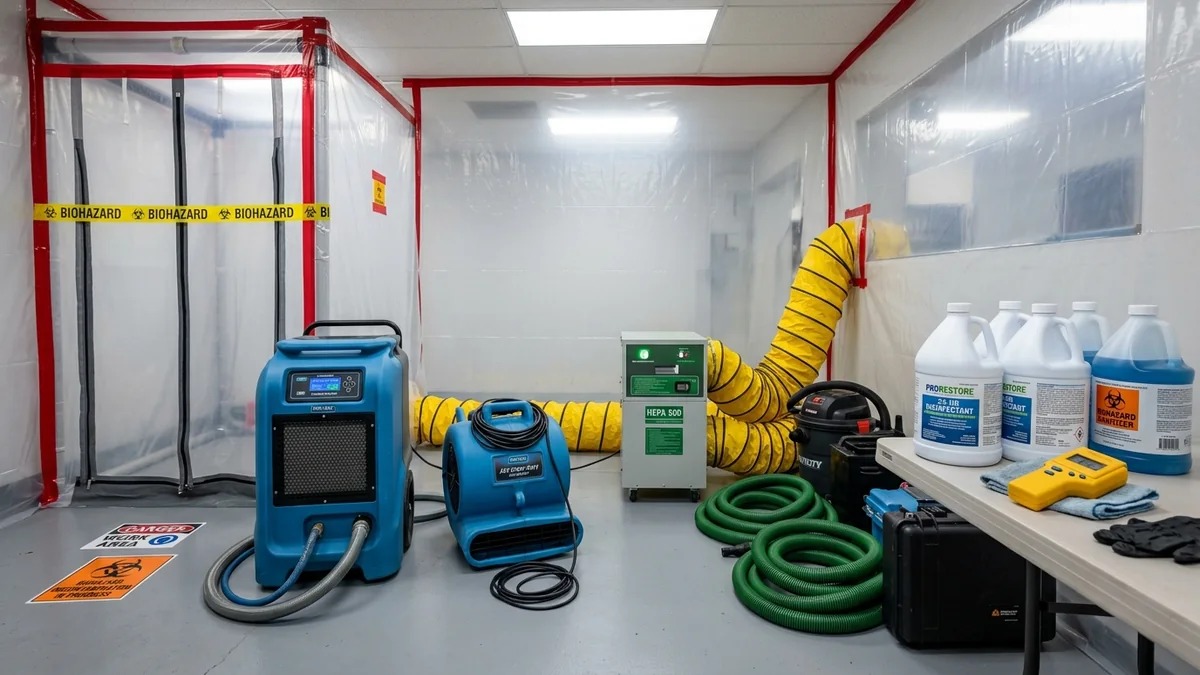
Category 3 blackwater is grossly contaminated water containing pathogenic microorganisms, toxic chemicals, and biological agents capable of causing severe illness or death upon human contact or ingestion. Under the Institute of Inspection, Cleaning and Restoration Certification (IICRC S500 standard), all sewage backups, rising floodwaters, and toilet trap overflows containing feces are designated as Category 3 blackwater, mandating professional extraction, structural excision, and biocidal sanitization.
What Pathogens Are Present in Residential Sewage Backups?
Municipal combined sewer systems in Chicago collect both street stormwater runoff and sanitary waste from toilets and industrial connections. When severe thunderstorms overload trunk lines, reverse hydraulic pressure pushes raw municipal wastewater into basement drains and plumbing fixtures.
This blackwater contains millions of live pathogens per milliliter, presenting severe contact and inhalation hazards.
- Bacterial Pathogens: Salmonella, Escherichia coli (E. coli), Shigella, and Campylobacter, which induce severe gastrointestinal illness and systemic infection.
- Viral Agents: Norovirus, Rotavirus, Hepatitis A virus, and Adenoviruses capable of spreading rapidly through contact with contaminated surfaces.
- Parasitic Protozoa: Giardia lamblia and Cryptosporidium, which form resilient cysts resistant to mild chemical disinfectants.
- Chemical & Industrial Contaminants: Heavy metals, petroleum runoff from roadways, pesticides, and household chemicals mixed in municipal sewer lines.
Why Must Porous Materials Be Removed After a Sewage Spill?
A common mistake by property owners is attempting to dry and shampoo carpets, drywall, or wood baseboards that have been soaked by Category 3 blackwater. Under industry standards, porous and semi-porous building materials that absorb blackwater cannot be adequately sanitized.
Pathogenic bacteria and fungal spores penetrate the cellular structure of drywall paper, carpet padding, and wood underlayment. Even if the surface dries, bacterial endotoxins and mold colonies remain active. Professional technicians perform flood cuts, removing drywall twelve to twenty-four inches above the high-water line and excising contaminated carpeting down to bare concrete foundations.
How Is Structural Drying and Sanitization Executed Safely?
Proper sewage remediation follows three critical stages: extraction, sanitization, and controlled desiccant drying.
Technicians use heavy-duty truck-mounted or portable extraction pumps to remove standing sewage, followed by thorough pressure washing of non-porous masonry and concrete with antimicrobial detergent solutions. An EPA-registered broad-spectrum biocide is applied to eradicate residual bacteria and fungal colonies. Finally, industrial dehumidifiers and centrifugal air movers operate under controlled negative air conditions to reduce moisture content below 12% to prevent mold growth.
Basement Sewage Backup in Chicago or Cook County?
Do not handle hazardous Category 3 blackwater yourself. Our emergency remediation crews extract sewage, disinfect masonry, and dry structures 24/7 across Chicago.
Frequently Asked Questions
Can I use bleach to clean a basement sewage backup?
No. Chlorine bleach is ineffective against the dense organic matter and sediment present in raw sewage. Furthermore, bleach reacts with ammonia in wastewater to create dangerous chloramine gas, while failing to penetrate porous concrete pores.
How quickly does mold develop after a sewage backup?
Microbial amplification begins within 24 to 48 hours in moist, sewage-contaminated environments. Immediate extraction and antimicrobial treatment are essential to halt mold and bacterial colonization.
Is sewer backup covered by standard homeowners insurance?
Standard policies typically exclude sewer backups unless a specific Water Backup of Sewer or Drain endorsement is included. Homeowners should verify their coverage limits with their insurance carrier.