Compliant Biohazard Waste Disposal & Medical Waste Transport in Chicago, IL
Statutory Potentially Infectious Medical Waste (PIMW) packaging, manifest tracking, and authorized transport for Chicago healthcare suites, commercial properties, forensic cleanups, and private residences. All biohazardous materials are packaged adhering to Illinois EPA Title 35 Part 1420 regulations and U.S. DOT hazardous materials transport standards.
Discreet unmarked response vehicles • Serving all 35 Chicago neighborhoods & Cook County
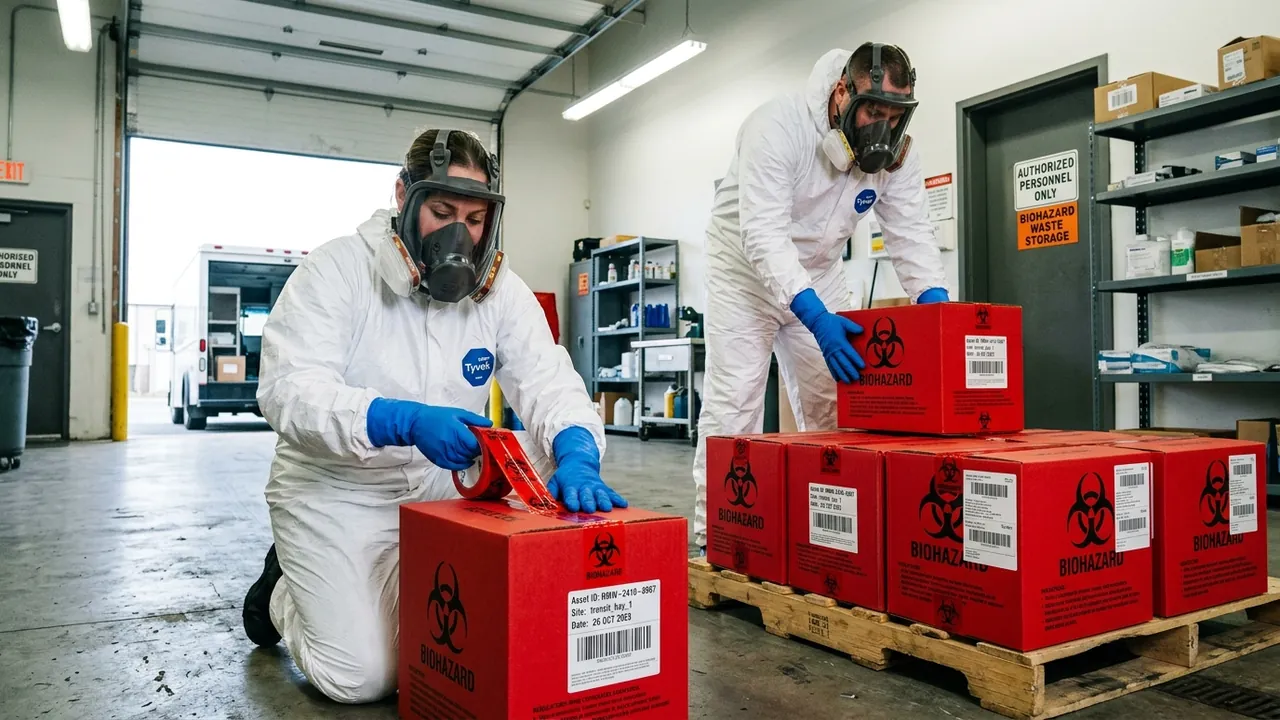
Statutory Waste Scope Parameters
IEPA Title 35 Part 1420
Statutory Medical Waste Compliance
U.S. DOT 49 CFR 173.197
Hazardous Materials Packaging Standard
100% Discreet Response
Unmarked Vehicles for Privacy
Rapid Chicago Dispatch
Serving All 35 Neighborhoods
What Is Regulated Biohazard Waste Disposal in Chicago, IL?
Biological waste containing bloodborne pathogens or potentially infectious agents must follow strict statutory packaging and tracking protocols.
Regulated biohazard waste disposal in Chicago encompasses the lawful containment, manifest tracking, transportation, and authorized processing of biological materials classified as Potentially Infectious Medical Waste (PIMW) under Illinois EPA Title 35 Part 1420 regulations. This includes blood-saturated textiles, surgical items, pathological human tissue, contaminated sharps (needles and lancets), and porous building materials removed during trauma or biohazard cleanups. Federal and state statutes strictly prohibit placing biohazardous waste into municipal Chicago garbage cans or standard commercial dumpsters. Regulated waste must be sealed in statutory puncture-resistant red containers with biohazard labeling, transported under U.S. DOT hazardous materials standards, and processed at licensed Illinois medical waste treatment facilities.
Blood & Bodily Fluid Saturated Debris
Saturated carpets, subflooring cutouts, bedding, and porous structural timbers removed during crime scene, trauma, or accident remediation in private homes or businesses.
Sharps, Needles & Surgical Cutters
Used hypodermic syringes, intravenous lines, scalpels, and razor blades recovered from commercial restrooms, clinical offices, dental operatories, or residential properties.
Decomposition & Forensic Bio-Waste
Biological fluids, anatomical residue, and chemical neutralizers recovered after unattended death discoveries or official law enforcement scene releases.
Clinical, Dental & Veterinary Waste
Medical and biomedical waste from outpatient surgery clinics, veterinary animal hospitals, tattoo studios, and urgent care centers requiring manifested collection.
Residential Gross Filth & Animal Waste
Biohazardous animal fecal accumulations, rodent waste, and contaminated porous belongings excised from severe hoarding properties across Chicago neighborhoods.
Industrial & Commercial Contamination
Manufacturing, warehouse, or transit facility biological waste resulting from workplace accidents, requiring strict OSHA waste manifest documentation.
Biohazard Waste Streams & Mandatory Packaging Standards
Illinois environmental statutes strictly define waste categories, approved containment vessels, and transport packaging protocols.
| Waste Stream Category | Representative Materials | Statutory Packaging Requirement | Regulatory Standard |
|---|---|---|---|
| Sharps Waste Puncture Hazards | Hypodermic needles, syringes, suture needles, scalpels, lancets, broken contaminated culture dishes, and glass pipettes. | Rigid, puncture-resistant, tamper-evident containers with locking lids, labeled with the universal biohazard symbol. | Illinois EPA Title 35 Part 1420 & OSHA 29 CFR 1910.1030(d)(4) |
| Liquid & Saturated Waste Blood & Bodily Fluids | Blood-saturated textiles, surgical gauze, bedding, excised drywall flood cuts, and porous timber framing saturated with blood. | Double-bagged in ASTM-rated tear-resistant red biohazard poly liners placed inside rigid, DOT-approved corrugated or plastic containers. | U.S. DOT 49 CFR 173.197 & IEPA Title 35 Part 1420 |
| Pathological Bio-Waste Anatomical Materials | Human biological tissue, anatomical matter, organic decomposition residue, and surgical biopsy samples. | Sealed in leak-proof primary containers with absorbent media, placed in rigid outer transport packaging designated for licensed thermal processing. | Illinois EPA PIMW Disposal Regulations |
Severe Legal Notice: Under Illinois EPA Title 35 Section 1420.105, disposing of Potentially Infectious Medical Waste in standard municipal garbage dumpsters or residential trash carts is a serious environmental offense subject to substantial civil fines. Proper packaging and manifested transport are legally mandated for all generators.
Barcoded Tracking Manifests & Legal Liability Protection
Under federal and Illinois environmental law, waste generators maintain “cradle-to-grave” legal responsibility for biological waste until it is certified as destroyed. Our uniform manifest tracking system guarantees documented compliance.
Compliant Waste Coordination
Need statutory biohazard waste collection or medical waste manifest documentation for your property or facility? Speak directly with our waste compliance coordinator.
Speak With a Coordinator: (312) 555-0387Our 6-Stage Chicago Biohazard Waste Management Protocol
Every biohazardous material collection is handled with strict containment controls, DOT-compliant packaging, and verified manifest tracking.
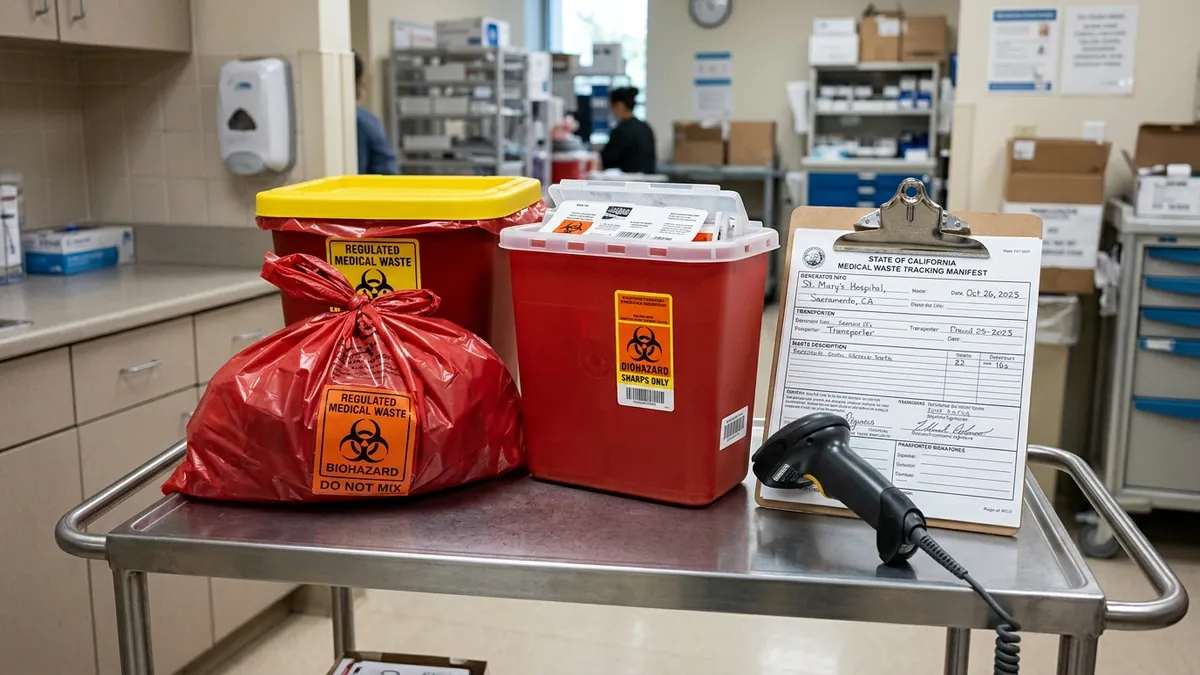
DOT-Compliant Packaging & Tracking Architecture
Biohazardous and medical waste management requires seamless integration between physical containment and regulatory documentation. Each transport container is labeled, barcoded, and cross-referenced with statutory manifests before leaving your property.
Point-of-Origin Segregation & Classification
Technicians categorize biological waste at the site of origin, separating sharps, blood-saturated porous items, and pathological tissue into designated regulatory streams.
Primary Containment & Heavy Poly Liners
Biological debris is deposited into ASTM-rated tear-resistant red biohazard bags. All bags are hermetically twist-tied or heat-sealed to prevent liquid leakage.
Secondary Rigid Outer Packaging
Primary bags are placed inside U.S. DOT-approved rigid corrugated cartons or heavy-duty plastic transit tubs bearing statutory universal biohazard symbols.
Barcoded Manifest Generation & Labeling
Every container receives a unique barcoded tracking label recording generator information, date, weight, and regulatory manifest tracking numbers.
Authorized DOT Hazardous Materials Transport
Sealed containers are loaded into dedicated, climate-controlled, spill-contained transport vehicles for delivery to state-licensed medical waste processing facilities.
Licensed Facility Delivery & Final Manifest Reconciliation
The licensed treatment facility verifies intake, executes authorized destruction, and returns the reconciled manifest to the client for permanent regulatory compliance records.
Biohazard Waste Handling Across Chicago Urban Environments
Navigating dense Chicago neighborhoods, downtown high-rise freight corridors, and medical districts requires specialized logistics protocols.
Loop & River North High-Rise Corridors
Commercial and residential towers require meticulous coordination with building security and dock masters. We utilize dedicated freight elevators, sealed transfer carts, and off-peak loading dock schedules to maintain building privacy and strict sanitary containment.
Dense Neighborhood Street & Alley Logistics
In historic neighborhoods like Lincoln Park, Wicker Park, and Lakeview, narrow alleyways and tight multi-unit walk-ups present logistical challenges. Our discreet unmarked mobile response vehicles navigate tight spaces without drawing neighborhood scrutiny.
Illinois Medical District & Clinical Corridors
Healthcare facilities in the Illinois Medical District and Near North outpatient hubs require reliable, scheduled, or emergency biohazard pickups adhering strictly to hospital compliance protocols and regulatory manifest documentation.
Illinois Environmental & Occupational Safety Compliance
Biohazardous and medical waste management in Cook County is governed by stringent state and federal environmental safety statutes.
Illinois EPA Title 35 Part 1420
Full compliance with IEPA Title 35 Subtitle M Part 1420 governing Potentially Infectious Medical Waste (PIMW), mandating authorized packaging standards, certified transporter registration, and statutory tracking manifests.
U.S. DOT Hazardous Materials (49 CFR)
Adherence to Department of Transportation 49 CFR 173.197 hazardous materials regulations governing UN 3291 medical waste packaging, certified outer boxes, and authorized transport manifests for public highway safety.
OSHA 29 CFR 1910.1030 Standards
Technicians operate adhering to OSHA Bloodborne Pathogen standards, utilizing universal precautions, puncture-resistant PPE, eye protection, and specialized worker safety training during all handling and staging procedures.
Related Biohazard Remediation Services in Chicago
Our specialized remediation units provide comprehensive biological cleaning and forensic restoration across Chicago and Cook County.
Biohazard Cleanup
Comprehensive biological decontamination, negative-air containment, and pathogen neutralization across all Chicago neighborhoods.
Blood Cleanup
Specialized bloodborne pathogen extraction, antimicrobial sanitization, and structural sealing following severe injuries or accidents.
Crime Scene Cleanup
Forensic cleaning, blood removal, and chemical neutralizations following official law enforcement releases across Chicago.
Trauma Scene Cleanup
Discreet, compassionate remediation for industrial accidents, severe injuries, and traumatic incidents in residences and workplaces.
Unattended Death Cleanup
Biological fluid decontamination, structural timber restoration, and molecular odor neutralization after delayed death discoveries.
Sewage Cleanup
Category 3 blackwater extraction, deep antimicrobial barrier washing, and subfloor drying after municipal sewer line backups.
Waste Management Protocols by Property Classification
From residential homes and apartment buildings to commercial healthcare centers and industrial facilities, we adapt waste packaging and staging workflows.
Residential Properties & Condos
Biological waste generated in private homes following medical emergencies, injuries, or sharps buildup requires discreet, compassionate removal and statutory packaging.
Commercial Facilities & Workplaces
Commercial, clinical, and industrial facilities face strict cradle-to-grave legal liability for biological waste. We deliver compliant containment, manifest tracking, and certified disposal.
Serving All 35 Chicago Neighborhoods & Cook County
Our mobile biohazard waste management units dispatch across all sectors of Chicago and adjacent Cook County communities.
Full Coverage Directory Across All 35 Neighborhoods
Explore comprehensive localized service specifications, ZIP code mappings, and dispatch information.
Frequently Asked Questions About Biohazard Waste Disposal in Chicago
Clear, factual answers regarding Illinois EPA medical waste regulations, DOT manifests, and compliant packaging in Cook County.